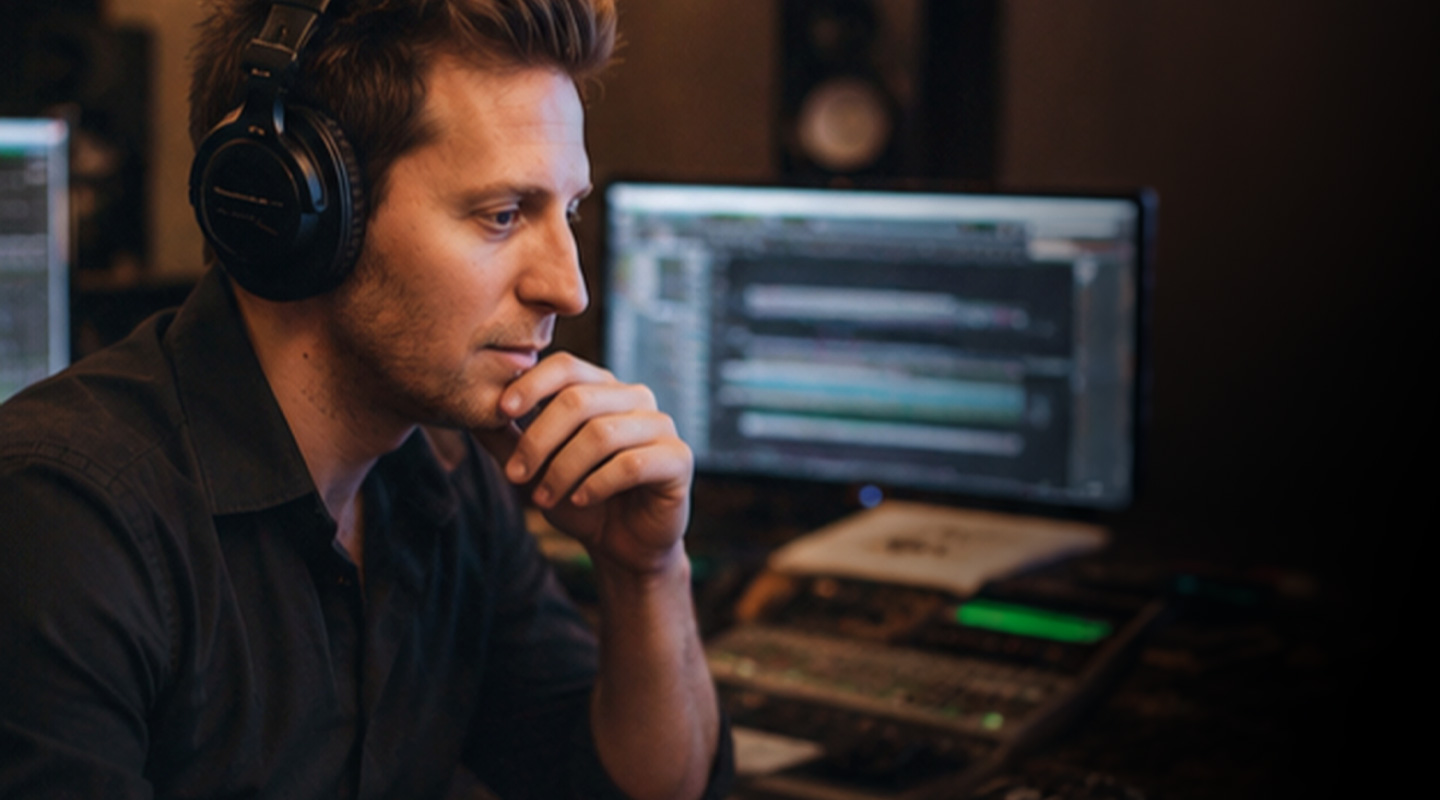
Shlomi Weinberger - Malomi Studio
Shlomi Weinberger has worked with a diverse range of artists, both locally and internationally, across various musical genres and formats, including albums, EPs and singles. His work spans mixing, mastering, additional production, instrumentation and sound design.
One notable example is Alice Wonder’s album Soulost, released through Sony Music Spain, on which he handled mixing and mastering while also contributing additional production, instrumentation and sound design on several tracks. The album was subsequently nominated for Best Sound Engineering by the Spanish Music Academy.
Beginnings - A Curiosity That Started in the Neighbourhood
Shlomi's path began with playing music with anyone he could find nearby. That led to bands, and the bands began recording their own songs. As a teenager he stepped into a professional recording studio for the first time, and the environment fascinated him.
Music was also a refuge. He listened to almost anything he could find, and he didn't stop at the main guitar part or the melody. He wanted to understand every instrument in the arrangement, often playing his own interpretations of the parts. He wanted to know why a song was arranged a certain way, why an instrument came in at a particular moment, and how a sound had been recorded. Over time, people started asking him to bring that curiosity to their music. First it was friends and bands, then other artists. He also began writing his own songs, a way of expressing things that were hard to say in words, which deepened his sense of how personal a song can be for the person who creates it.
Engineers began asking for his ideas during sessions, and he grew more involved in arrangements, sounds and problem solving. Eventually, people asked him to produce.
He kept learning by travelling, recording, performing, spending time in studios and meeting producers he admired. He also studied different recording traditions. For Shlomi, every artist and every studio became another chance to learn.
"I never felt I knew enough, so I kept learning." – Shlomi Weinberger
The Sound - Polished, Never at the Expense of Personality
Shlomi describes his sound as emotional, detailed and warm, with clarity and character. He looks for the balance between impact and intimacy. His aim is a record that translates technically but still feels human.
His process starts with the artist, not the equipment. Before changing anything, he wants to understand what the artist loves about the song and what they want to communicate. Sometimes that means listening to demos or references. Sometimes it means watching them play the song live.
"Once I understand the emotional centre of the song, I can start building the production around it.
What should we add, and just as importantly, what should we leave alone?"
His first significant purchases were a condenser microphone, a Behringer B2 if he remembers correctly, and a keyboard controller. The brands mattered less than what the tools made possible: recording more sources in his own space and opening up a whole new world of arranging. Today he works with world-class equipment, but he still records percussion on a coffee tin, a food container or a bread bag when that texture suits the song.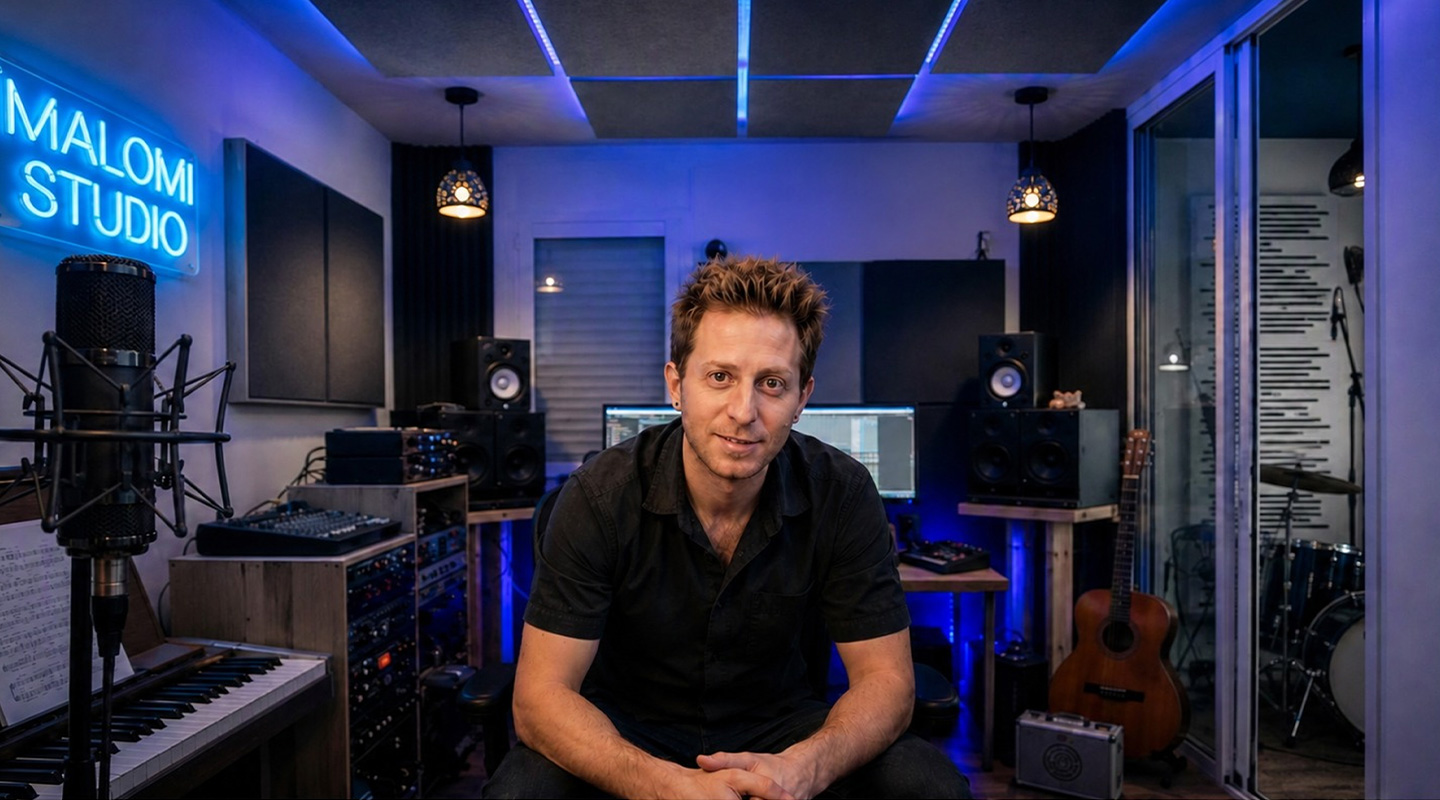
"Great tools open possibilities, but curiosity is what turns them into music."
Why RME - Reliability, Transparency and Control
Shlomi needs the technical side of the studio to be completely dependable, with stable drivers, very low latency and the freedom to route almost anything exactly where he needs it. Transparency matters just as much. He doesn't want the interface to impose its own character on the source. Any change in colour or texture should be his decision, made through microphone choice and position, the room, the performer's dynamics, preamps, compressors or other outboard gear.
"Even moving a microphone a few centimetres can completely change a recording.
I like having a system around those choices that I can trust not to get in the way."
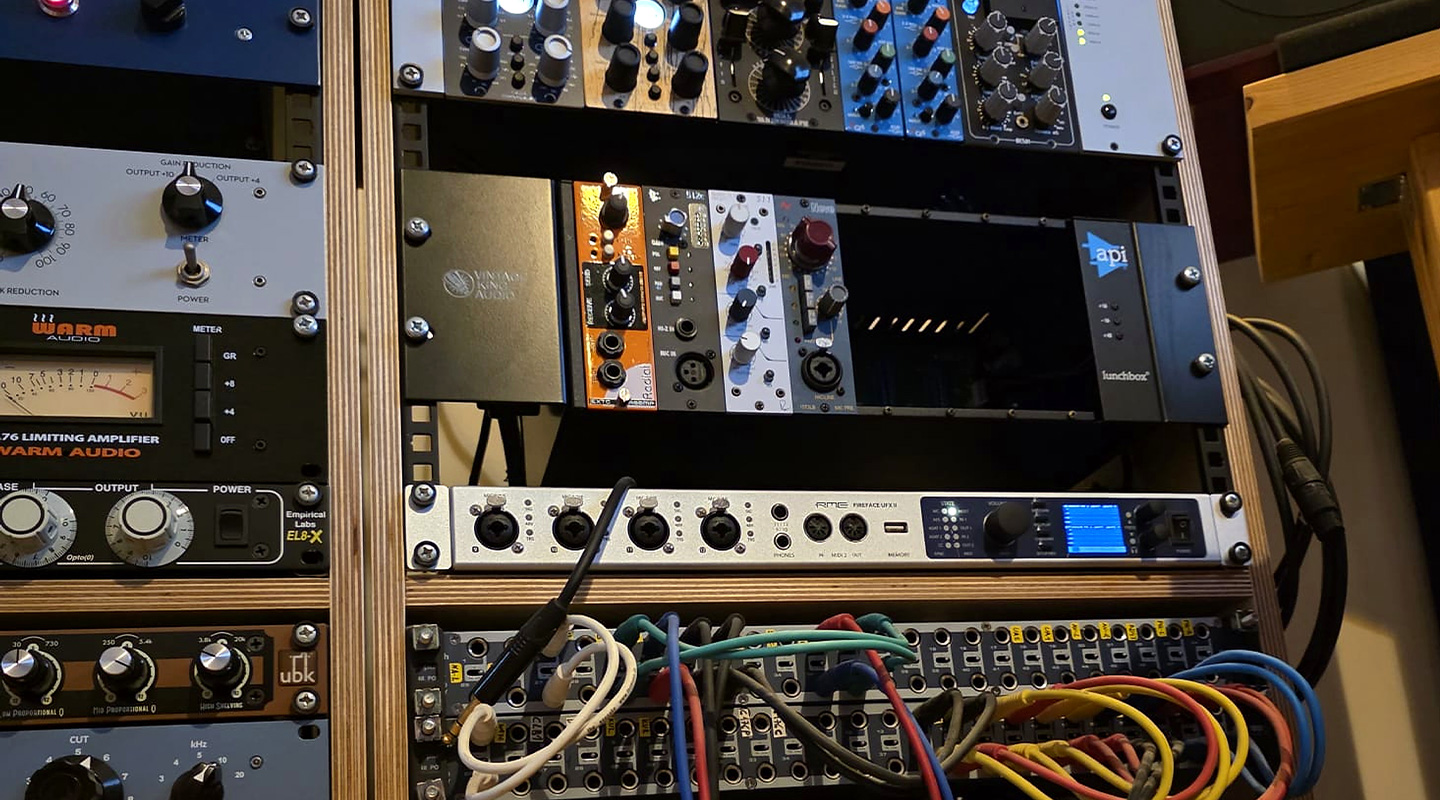
His first RME interface was the Fireface UFX. It was actually his third interface, and the two before it taught him what he needed from the centre of a studio. Moving to the UFX meant he could stop wondering whether the interface would behave and simply rely on it. Today a Fireface UFX II sits at the heart of his setup, and that same feeling of trust is still one of the main reasons it stays there.
TotalMix FX - The Heart of the Studio
Everything in Shlomi's studio runs through TotalMix FX: recording chains, outboard gear, hardware compressors, monitoring, headphone mixes and routing between different parts of the studio. Behind the scenes it can get complex, but TotalMix keeps that complexity under control without slowing down the creative process.
"When an artist is in the room and something is happening creatively,
I don't want to stop the session to think about routing. I want the technical side to disappear."
Analog, Digital And What Comes Next - What Serves This Record Best?
Shlomi doesn't pick sides. Analog brings character, commitment and a physical interaction with sound. Digital brings precision, recall and flexibility. In his hybrid setup, the deciding question is always the same: what serves this record best? He expects studios to become more connected, flexible and intelligent, with AI part of many everyday workflows. At the same time, he expects a strong return to what feels physical and human: standing in front of a real amplifier, moving a microphone, playing with another person in the room, creating something that comes from an emotion rather than a prompt.
If everything starts to sound too perfect or too similar, he believes character, imperfection and human connection will become even more valuable. Making music, after all, is about more than a finished product. It helps people process emotions, connect and express what is hard to put into words. The studio of the future, as he sees it, combines extraordinary technology with a renewed appreciation for the very human reasons we started making music in the first place.
Advice For The Next Generation -Learn to Listen Before You Learn to Impress
Asked about the most important skill in today's music industry, Shlomi answers in one word: listening. Not only to sound, but to the person in front of you. Technology changes constantly, but understanding what an artist is trying to express, sometimes before they can fully explain it themselves, remains one of the most valuable skills a producer or engineer can have.
He advises young musicians and producers not to hide behind equipment or plugins, and not to wait until they feel completely ready, because they probably never will. Finish what you start. Allow yourself to make mistakes, work with different people and stay curious. Every completed project teaches something that another month of overthinking won't. Travel if you can, spend time in studios, ask questions, and learn from people who think differently. In the end, taste, relationships and the ability to understand an artist matter far more than owning the perfect piece of gear.
Looking back, he wouldn't change much. The apparent detours, like playing sessions, fixing recordings, travelling and exploring styles, all shaped how he works today. His one message to his younger self would be to trust his inner voice a little more, and the "right" or expected choice a little less. Some of the most meaningful steps in his career came from following curiosity and instinct rather than the obvious path.
Official website:
www.shlomiweinberger.com
Instagram:
www.instagram.com/shlomiweinberger
Zurück